
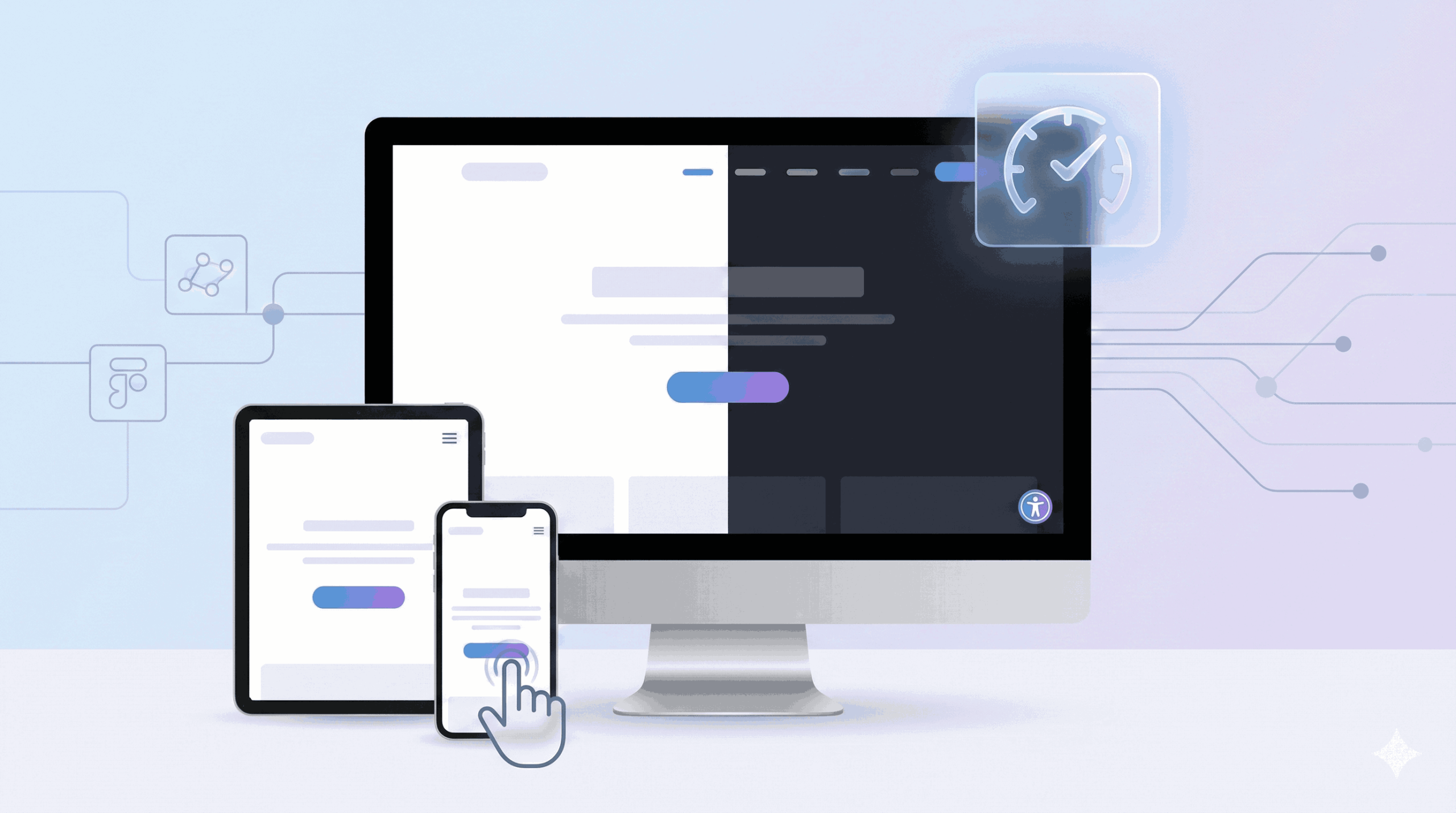
A business website is no longer just an online brochure. it functions as a brand’s first impression, sales representative, customer support channel, and credibility check all at once. Visitors decide within seconds whether to stay on a website or leave, and design plays a major role in that decision.
Web design trends continue to evolve as user behavior, technology, and expectations change. Businesses that fail to update their websites often struggle with low engagement, poor conversions, and reduced trust. Modern web design focuses less on flashy visuals and more on usability, clarity, speed, and experience.
Understanding current web design trends helps businesses create websites that feel modern, professional, and easy to use while supporting business goals.
User-Centered Design Over Visual Excess
One of the strongest web design trends in recent years is the shift toward user-centered design. Instead of designing websites based on what looks impressive to the business owner, designers now prioritize how real users interact with the site.
User-centered design focuses on clarity, accessibility, and ease of navigation. Pages are structured logically, content is easy to scan, and important information is placed where users expect to find it. This approach reduces frustration and increases the likelihood that visitors will take action. Websites designed with users in mind tend to have lower bounce rates, higher engagement, and better overall performance.
Mobile-First Design as a Standard Practice
Mobile-first design is no longer optional. Most website traffic now comes from mobile devices, and search engines prioritize mobile-friendly websites in their rankings. A mobile-first approach means designing for smaller screens first, then scaling up for larger devices.
also,, successful business websites load quickly on mobile, use readable fonts, and avoid cluttered layouts. Buttons are easy to tap, menus are simple to navigate, and content adapts smoothly across different screen sizes. A website that performs poorly on mobile often loses potential customers before they even explore the content.
Minimalist Layouts with Clear Purpose
Minimalism continues to dominate modern web design, but not in a simplistic or empty way. The focus is on removing unnecessary elements that distract users from the main message.
Clean layouts with plenty of white space make content easier to read and guide visitors toward key actions such as contacting the business, making a purchase, or signing up for a service. Each section serves a purpose, and visual hierarchy helps users understand what matters most.
Minimalist design also improves performance, as fewer elements usually mean faster load times.
Fast Loading Speed and Performance Optimization
Website speed is a critical design factor, not just a technical concern. Slow-loading websites frustrate users and lead to high abandonment rates. Users expect websites to load almost instantly.
Modern web design emphasizes optimized images, lightweight animations, efficient code, and performance-focused hosting. Designers now work closely with developers to ensure that visual elements do not compromise speed.
Search engines also reward fast websites, making performance optimization essential for both user experience and SEO.
Dark Mode and Adaptive Color Schemes
Dark mode has become a popular feature across websites and applications. Many users prefer dark interfaces because they reduce eye strain, especially in low-light environments.
Business websites increasingly offer adaptive color schemes that adjust based on user preferences or system settings. This flexibility improves accessibility and user comfort without affecting brand identity. When implemented correctly, dark mode enhances readability and creates a modern, polished look.
Strong Typography and Readability
Typography plays a major role in how users perceive a website. Designers pay close attention to font selection, spacing, and hierarchy to improve readability.
Clear, modern fonts are preferred over decorative styles. Headings are bold and distinct, while body text remains easy to read across devices. Line spacing and contrast are carefully adjusted to avoid visual strain. Good typography makes content more engaging and encourages users to spend more time on the site.
Visual Storytelling and Authentic Media
Websites are moving away from generic stock photos toward more authentic visuals. Businesses now use real images, custom illustrations, and branded graphics to tell their story.
Visual storytelling helps communicate values, personality, and credibility. Photos of real teams, offices, products, or customers create trust and make brands feel more human.
When combined with thoughtful layout and messaging, visuals become a powerful communication tool rather than mere decoration.
Interactive Elements That Add Value
Interactivity has become a key part of modern web design, but only when used purposefully. Interactive elements such as animations, hover effects, and micro-interactions guide users and improve engagement.
also, designers focus on subtle interactions that provide feedback and clarity. Buttons respond smoothly, forms offer real-time validation, and animations enhance navigation rather than distract from content. Well-designed interactivity makes websites feel responsive and intuitive.
Accessibility as a Core Design Principle
Accessibility is no longer an afterthought. Business websites must be usable by people with different abilities, including those using screen readers, keyboard navigation, or assistive technologies.
Modern web design includes proper color contrast, readable fonts, descriptive labels, and logical content structure. Accessibility improvements benefit all users, not just those with disabilities. Search engines also favor accessible websites, making this trend both ethical and practical.
Clear Calls to Action and Conversion-Focused Design
A visually appealing website is ineffective if it does not guide users toward action. Modern business websites are designed with conversion in mind.
Clear calls to action are placed strategically throughout the site, encouraging users to contact the business, request a quote, subscribe to updates, or make a purchase. Design elements support these goals by reducing distractions and emphasizing key actions.
Integration with Modern Tools and Platforms
Business websites are deeply integrated with other digital tools. From CRM systems and email marketing platforms to payment gateways and analytics tools, modern web design considers functionality alongside appearance.
Designers ensure that integrations feel seamless and do not disrupt user experience. Forms, dashboards, and user portals are designed to be intuitive and visually consistent with the rest of the site.
Security and Trust Signals in Design
Trust is a major factor in user decision-making. Modern web design includes visible trust signals such as SSL certificates, secure payment indicators, privacy policies, and professional branding.
Clean design, consistent layout, and up-to-date visuals also contribute to credibility. Users are more likely to trust a website that looks modern and well-maintained.
Security-focused design reassures visitors and reduces hesitation.
Conclusion
Web design is driven by usability, performance, accessibility, and authenticity. Businesses that follow modern design trends create websites that feel intuitive, trustworthy, and aligned with user expectations.
Rather than chasing visual trends blindly, successful websites focus on clarity, speed, and meaningful interaction. A well-designed website supports branding, improves engagement, and contributes directly to business growth.
For digital platforms and agencies like CreatorsNexa, applying these web design principles helps deliver websites that not only look good but also perform effectively in a competitive digital environment.


